Hyper Entrepreneur Dispatch
outhuman AI to sell more
June 13, 2025
I’m not going to lie to you, I love to appear perfect, especially on social media.
Most people do.
Performed perfection soothes us. It lets us forget our own mess for a moment and believe in the image we’ve projected.
So yes, I love positioning the lights to complement my wrinkles (or rather, annihilate them).
I love speaking clearer and more eloquently on camera than I often do in real life.
But…
With the rise of AI, we’re in an authenticity famine.
We’re starving for realness, online and in our lives.
And the truth is: it sells.
When people talk about “competing with AI,” they often assume they have to become more robotic, more polished, more scalable.
But the real move is this:
Your workflows should be AI-first.
Your brand should be human-first.
Here are 5 Reasons To Be Imperfectly Human & Outsell the Algorithm in 2026:
(yup, we’re already thinking about what AI or ant-AI trends are to continue into the next year)
1. Authenticity isn’t optional anymore
We’re reaching saturation point. After years of seeing endlessly polished carousels, caption-perfect posts, and flawless AI-written content, people have stopped feeling anything. The dopamine is gone.
What used to signal credibility now blends into background noise. A polished feed no longer makes you stand out, it makes you disappear.
What people are responding to is content with fingerprints. Messy handwriting on a whiteboard. A thought recorded in your car, halfway through the idea. A voice that still says “um” and changes its mind mid-sentence.
That kind of imperfection feels alive. And that’s what builds trust.
Hyper Monday’s research backs it:
90% of consumers say authenticity influences what they buy.
Gen Z? 55% say they prefer human-written content to AI.
84% of customers trust peer recommendations more than branded content.
Sources: Stackla, Tidio, Nielsen Trust Barometer
How you can use this:
Don’t hide behind the brand. Let people hear your voice. Show your face. Speak plainly. Build familiarity, not perfection. The second someone thinks, “I know this person,” they’re already halfway to trusting you. And trust still beats every algorithm.
How I’m doing it:
I’m challenging myself to grab my phone and just riff. No attempt at good lighting or over-scripting. Just me, sharing what I think about AI, entrepreneurship, and life. Here’s me playfully imitating the therapist-couch situation.

2. Perfect is forgettable. Flawed gets remembered.
We don’t stop scrolling for a stock photo or a manicured quote tile anymore. We stop for the selfie where the lighting’s weird but the story lands.
Or the 18-second video that someone clearly filmed on the fly, but what they said was real.
This is what marketers are seeing across the board: the highest-performing content isn’t the most beautiful—it’s the most human. The posts that convert aren’t studio-shot. They’re honest, a little raw, and completely unafraid to show the cracks.
Hyper Monday’s research backs it:
UGC-style ads get 4× the click-through rate of polished brand ads.
CPCs on “ugly” or unfiltered creative are 50% lower.
TikTok, BeReal, and short-form native video outperform repurposed assets across every major platform.
Sources: Meta Business, TINT, TikTok Marketing Science
How you can use this:
Stop obsessing over polish. Post the unedited thing. Share the rough note. Film the one-take video and hit publish before your inner critic wakes up. Raw is real. And real is what they remember.
How I’m doing it:
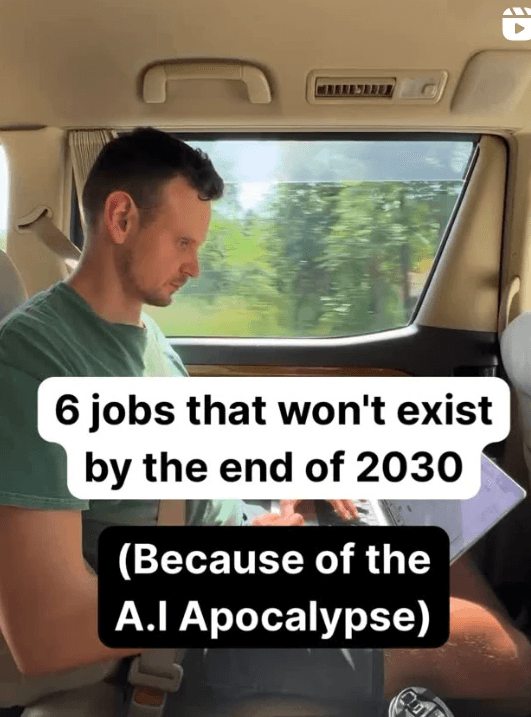
I asked my partner to film me working in the car during a five-hour drive. It’s genuine and unfiltered, and this video performed really well.
3. People trust people more than brands
This one’s not theoretical. It’s visible everywhere. Ads that look like “the brand” are underperforming. What works is when someone in the business talks like a real person. What lands is when a client shares what actually happened—not a testimonial, but a story.
If you’ve built even a small community, you’re already sitting on the most trustworthy marketing asset you’ll ever have. Not your copy. Not your ads. Just people who’ve worked with you and can talk about it like they would to a friend.
Hyper Monday’s research backs it:
84% of buyers trust real people more than branded content.
UGC outperforms polished assets across nearly every ad platform.
“Small voice + real story” is now beating every mass-market broadcast.
Sources: Nielsen, CreatorIQ, Shopify Creator Trends
How you can use this:
Start turning real moments into real stories. Ask clients to record a 30-second voice note about their experience. Use their words, not your own. Show them off. Or tell your own story—unedited, unscripted. That’s what sticks now.
How I’m doing it:
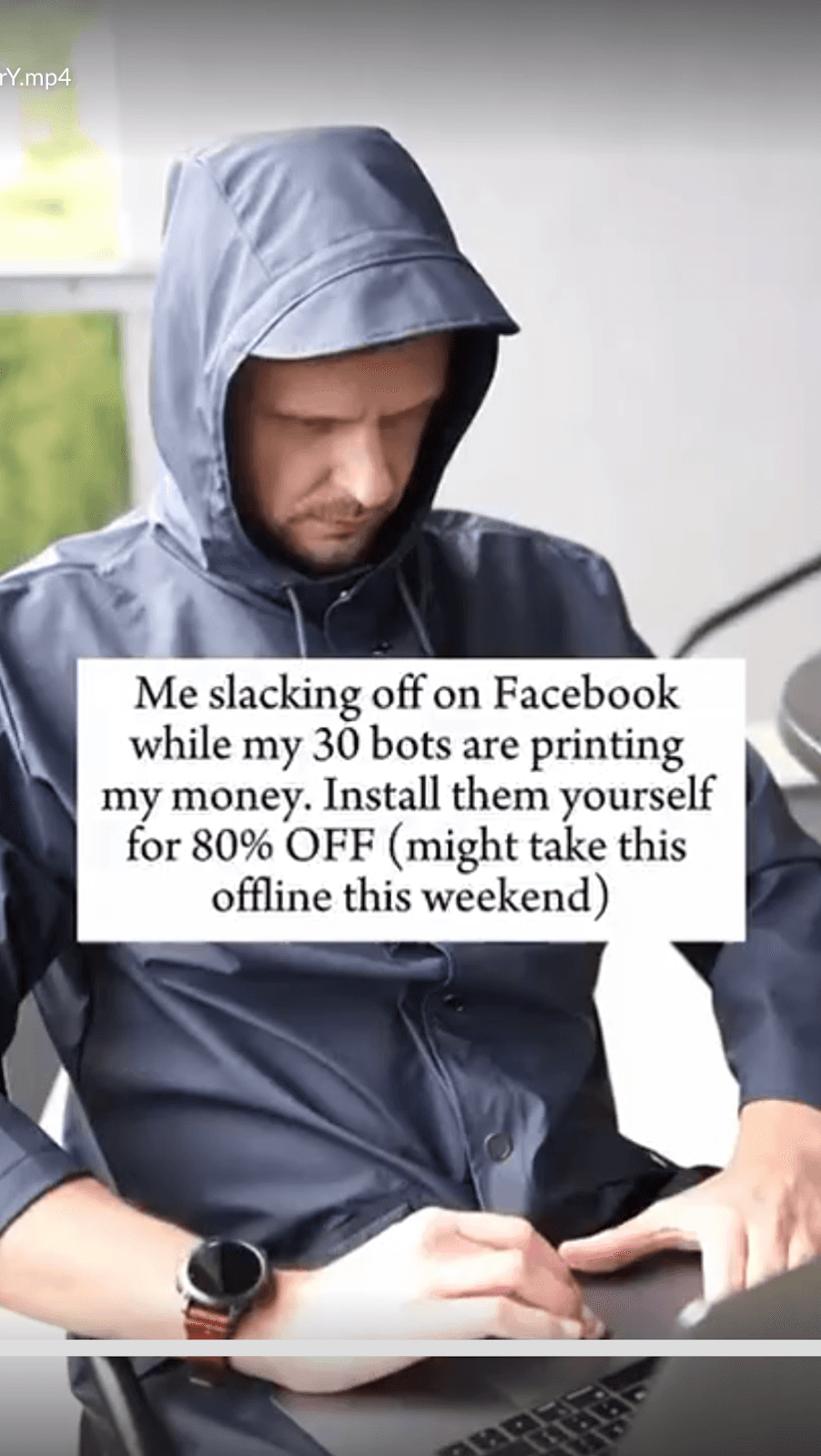
I’m training myself to be unpolished. One of our best-performing ads was just me in a raincoat, hoodie up, typing on my laptop out on a balcony. Odd, messy, imperfect, and it generated hundreds of thousands in revenue.
4. Volume doesn’t win anymore. Depth does.
The old game was simple: post more. Show up every day. Hit the calendar. But now? Everyone’s doing that, and most of it blends into mush.
The algorithm’s not just bored, it’s catching on. Google wiped out half the filler content in its 2024 update. Instagram now boosts original, in-app content over cross-posted noise.
Audiences can tell too. They scroll right past the recycled tips, the AI-written thought leadership, the “10 things I wish I knew sooner” posts that don’t actually say anything. What they pause for is something true.
Hyper Monday’s research backs it:
Google’s helpful content update cut 45% of low-value AI text from results.
Instagram and YouTube are prioritising depth, originality, and watch time.
Shorter, richer posts get higher engagement and saves vs long-form filler.
Sources: Google Search Central, Meta Creator Lab, Ahrefs
What you should do:
Before you post, ask:
→ Does this teach something?
→ Will it shift someone’s thinking?
→ Would I send this to a friend who’s stuck?
If the answer’s no, hold it back. One strong post beats ten forgettable ones. Quality doesn’t just convert, it gets remembered.
How I’m doing it:
This is why I’ve started writing these Hyper Monday emails—to offer more depth, insight, and transformation, not just surface-level tips. We’re also turning these into mini PDFs, social posts, and soon, short videos.
5. Your voice is the one thing AI can’t steal
AI can write. It can summarise. It can polish.
But it can’t sound like you when you’re tired, hungry, inspired, pissed off, or cracked open after a walk and a podcast.
It can’t replicate your phrasing, your weird metaphors, your throwaway side notes that somehow hit harder than the headline. That’s what people connect with. That’s what makes them stick around—not just the idea, but how you say it.
The research backs it:
AI-detection tools show that readers increasingly notice (and ignore) AI-written content.
Original voice outperforms AI patterning in long-term engagement, even when factual quality is similar.
Personality-infused content is 2× more likely to be saved, replied to, or forwarded.
Sources: OpenAI moderation research, Edelman Trust Barometer, audience sentiment surveys (WARC, Ogilvy)
What you should do:
Use AI to get the first draft out if you need but don’t stop there. Break it. Add your voice. Say it how you’d say it. Throw in the weird story. Leave the joke that only 3 people will get. Let your voice be the differentiator, not just your ideas.
How I’m implementing it:
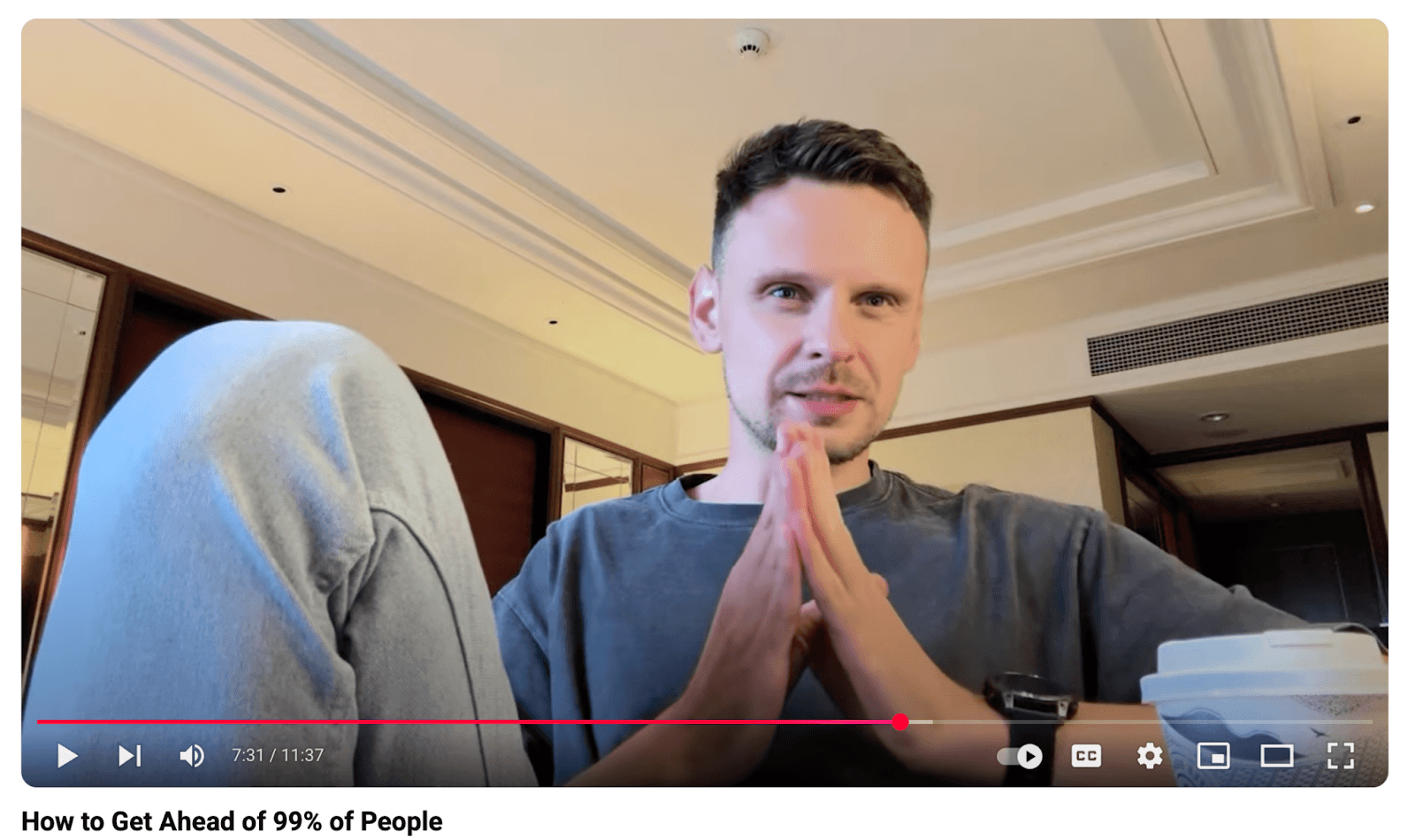
I recorded this video for my YouTube channel right after landing in Kuala Lumpur, Malaysia. I had just hired a new team member, someone sharp, grounded, and clearly proud of what he does. And I remember thinking, people like him are going to win this game. So I grabbed my phone and hit record. The sound was poor, the lighting was bad, but it was raw, unfiltered, me. Later I added a proper intro to keep YouTube’s algorithm happy, but the rest of it was just my voice.
Now don’t get me wrong. Making your brand human-first can also be a liability. If it’s a personal brand, it’s less investable. You can’t exit it. And you become its greatest leverage, its biggest liability, and often the bottleneck.
But most of us aren’t starting companies to exit them. We’re starting them to free ourselves from the 9-to-5, to create a supplementary income stream, or to build a brand that lets us travel the world.
If you’re in that category, your voice matters.
And even if you are building something to exit, what if your personal brand and your voice were the fuel that helped get it there?
Be AI-first in how you work. But remember, being human-first is what helps you stand out in the market.
AI is the tool.
Your voice is the essence.